
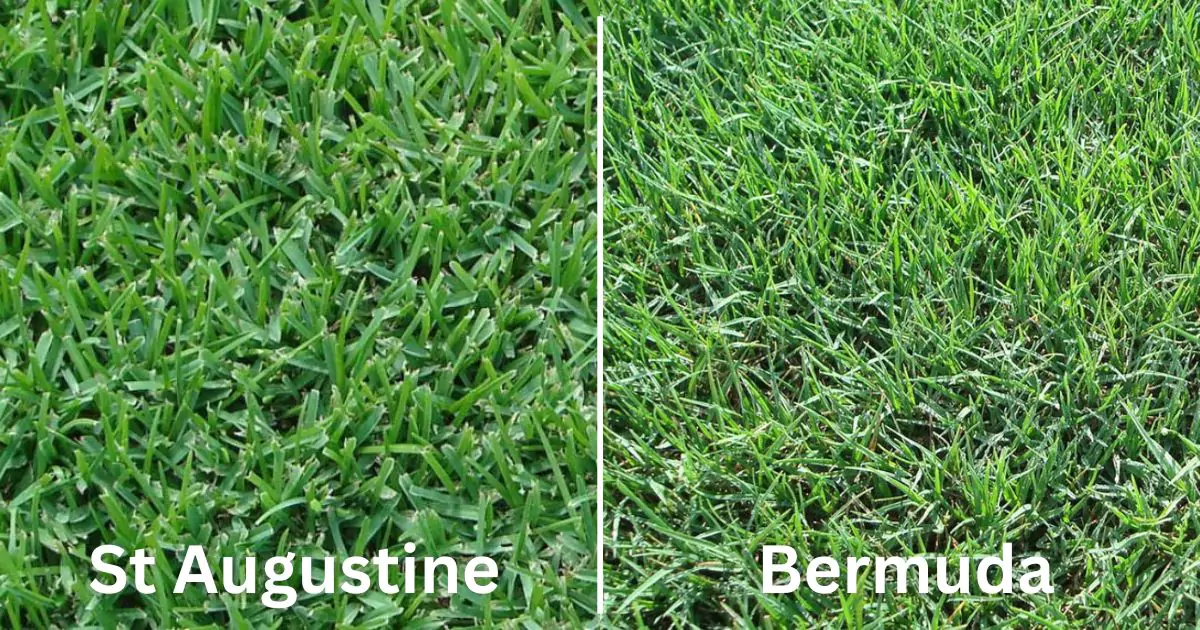
Choosing between St Augustine vs Bermuda grass comes down to two critical factors: sunlight and traffic. Choose St Augustine if your yard has mature oak trees, fence shade, or morning-only sun where lush carpet appeal is desired. Choose Bermuda if your property gets 8+ hours of baking Texas sun, active kids or dogs, or you want exceptional drought tolerance with minimal irrigation.
Choosing the right sod for your lawn is important when you're trying to achieve that green, lush landscape. Two popular options across Dallas–Fort Worth are St Augustine vs Bermuda grass, each with unique features, growing habits, and management needs.
Below, we provide a comprehensive comparison of both warm-season varieties based on real-world North Texas soil and climate conditions — helping you make an informed, long-term decision for your Flower Mound, Lewisville, Argyle, or DFW home.
St Augustine Grass
Characteristics: St Augustine grass is known for its broad, flat blades and deep green color. It thrives in warm, coastal and humid southern areas and is often chosen for its dependable shade tolerance compared to other warm-season turf varieties.
Growth Habits: This grass type spreads aggressively through above-ground runners (stolons) and establishes quickly once rooted. It forms a thick, dense turf that effectively crowds out most seasonal weeds when properly watered and mowed at the correct height.
Climate Suitability: St Augustine grass prefers warm, humid environments. It is less cold-tolerant than Bermuda and can struggle or experience freeze damage during extreme North Texas winter freezes.
Maintenance Requirements: It requires moderate maintenance. Regular watering and appropriate seasonal care are key to maintaining its lush appearance. However, it is less drought-tolerant compared to Bermuda grass and will show stress quickly during dry July and August heat waves.
Pest and Disease Resistance: St Augustine is susceptible to chinch bugs in hot, dry weather as well as fungal issues such as Large Patch (brown patch) and Take-All Root Rot in poorly drained soils. Proper soil grading and timely care are essential.
Bermuda Grass
Characteristics: Bermuda grass, with its fine texture and deep green color, is preferred for sports fields, golf courses, and sunny residential lawns. It is renowned for its durability, resilience, and clean-cut manicured finish.
Growth Habits: Bermuda grows quickly and aggressively via both above-ground stolons and deep underground rhizomes. It is a tough, highly drought-tolerant grass that can withstand heavy foot traffic, active pets, and backyard play without breaking down.
Climate Suitability: Ideal for warm southern climates, Bermuda performs exceptionally well in both humid and dry North Texas conditions. It is more cold-tolerant than St Augustine, entering dormancy during winter and greening up vigorously in spring.
Maintenance Requirements: While it is noticeably more drought-tolerant and water-efficient, Bermuda grass requires regular, frequent mowing due to its rapid summer growth rate. Keeping it at 1 to 2 inches creates a carpet-like finish.
Pest and Disease Resistance: Bermuda is generally more resistant to common lawn pests and diseases, but its aggressive growth can lead to thatch buildup over several years, requiring occasional vertical mowing or core aeration.
Comparative Analysis: St Augustine vs Bermuda
How each sod type performs across key North Texas lawn requirements:
| Feature / Factor | St Augustine Grass | Bermuda Grass | Advantage |
|---|---|---|---|
| Blade Texture & Appearance | Broad, flat blades; lush, deep-green carpet appearance | Fine, dense texture; manicured golf-course/athletic look | Tie (preference) |
| Shade Tolerance | Good (handles 4–5+ hours filtered sun) | Poor (demands 7–8+ hours direct, unfiltered sun) | St Augustine |
| Drought Resistance | Moderate (shallow roots; wilts in prolonged heat) | Exceptional (deep roots; quick dormancy recovery) | Bermuda |
| Foot Traffic & Recovery | Moderate (softer feel, slower wear recovery) | Superior (rapid rhizome/stolon recovery; athletic grade) | Bermuda |
| Cold / Freeze Tolerance | Fair (vulnerable to severe North Texas hard freezes) | Very Good (dormant through winter; greens up reliably) | Bermuda |
| Mowing Frequency | Every 5–7 days (mow high at 2.5″ – 3.5″) | Every 3–5 days in peak summer (mow low at 1″ – 2″) | St Augustine (less mowing) |
| Watering Demand | Higher (requires regular deep watering to avoid stress) | Lower (handles dry stretches and city water restrictions well) | Bermuda |
| Pest & Disease Resistance | Susceptible to chinch bugs, Take-All Root Rot, Large Patch | Resistant to major pests; susceptible to heavy thatch buildup | Bermuda |
1. Shade Tolerance
St Augustine grass outperforms in shaded areas, where Bermuda struggles to thrive. If your property has established post oaks, live oaks, cedar elms, or tight zero-lot lines with fence shadows, St Augustine is the clear winner between the two. Bermuda requires near-continuous sunlight and will thin down to dirt within a season in moderate shade.
2. Drought Resistance & Water Needs
Bermuda grass has a clear advantage in drought tolerance, making it a superior choice for drier regions, unshaded lots, and properties operating under city watering restrictions across Denton, Collin, and Dallas counties. Bermuda's root structure penetrates deep into Texas clay, allowing it to stay greener longer and survive dry spells by entering semi-dormancy.
3. Cold & Freeze Tolerance
Bermuda grass can handle cooler temperatures better than St Augustine, offering greater resilience against winter freezes that occasionally dip into the teens or single digits across North Texas. While both warm-season grasses go dormant and turn straw-brown in winter, Bermuda re-emerges consistently without the patch-dieback risk common to St Augustine.
4. Aesthetic Appeal & Texture
St Augustine's broader blades create a lush, carpet-like appearance that feels soft and tropical underfoot. Bermuda's finer texture gives a crisp, well-manicured, golf-course appearance when kept mowed low and sharp.
5. Maintenance and Care
Both varieties require regular seasonal attention, but their demands take different forms. St Augustine demands more attention to irrigation schedules, fungal monitoring, and pest checks. Bermuda demands more frequent mowing during peak summer months (sometimes twice a week) to prevent it from getting leggy and scalping.
Best Use Cases: Which One Fits Your Yard?
- Your lawn has mature trees: 4 to 5 hours of filtered sunlight is present.
- You prefer a broad-blade carpet: Soft, dense, emerald-green barefoot texture.
- Foot traffic is light to moderate: Great for quiet residential front and back lawns.
- You have working in-ground irrigation: Essential for consistent summer moisture.
- Full, unobstructed sun all day: 7 to 8+ hours of direct sunlight.
- High-traffic household: Active dogs, kids playing sports, or entertaining.
- Drought tolerance is priority: Lowest water requirement once fully rooted.
- Reliable spring green-up: Endures North Texas hard freezes without patch loss.
St Augustine vs Bermuda: The Bottom Line
The choice between St Augustine vs Bermuda grass sod depends on your specific needs and environmental conditions. St Augustine is ideal for shaded, humid areas but requires more consistent watering and disease vigilance. Bermuda, on the other hand, is perfect for sunny, drought-prone areas, high-traffic households, and is easier to maintain in terms of water efficiency.
Selecting the right sod grass is pivotal for a healthy, beautiful lawn. Whether you choose St Augustine for its shade tolerance or Bermuda for its resilience, understanding their unique qualities will ensure your lawn thrives in its specific environment. Remember, the key to a lush lawn is not just the type of grass, but also proper ground preparation, grading, and initial establishment care.
What about Zoysia? If you want the shade tolerance of St Augustine combined with the fine texture and drought resilience of Bermuda, read our companion guide on Zoysia vs St Augustine Grass.
St Augustine vs Bermuda FAQs
Which grass handles shade better: St Augustine or Bermuda?↓
St Augustine outperforms Bermuda by a wide margin under shade. While no warm-season grass grows in total darkness, St Augustine cultivars (like Raleigh or Palmetto) can thrive with 4 to 5 hours of filtered sunlight. Bermuda grass requires 7 to 8+ hours of direct sun daily; in shaded areas it quickly thins, stretches, and dies back.
Which is more drought-tolerant: Bermuda or St Augustine?↓
Bermuda grass has a clear advantage in drought tolerance. It features a deep root system and can go dormant during prolonged dry spells, rebounding vigorously once watered. St Augustine has shallower roots, wilts faster in extreme summer heat, and requires more consistent irrigation to stay green.
Can Bermuda and St Augustine grow together in the same lawn?↓
They can coexist naturally, but over time one will dominate depending on sunlight. In full, blazing sun with low mowing, aggressive Bermuda will often outcompete St Augustine. In areas beneath trees, shade structures, or fence lines, St Augustine will shade out Bermuda. However, a mixed lawn often looks patchy due to the stark difference between Bermuda's fine blade and St Augustine's wide, flat blade.
Which grass is better for kids, dogs, and high foot traffic?↓
Bermuda grass is the gold standard for high traffic, sports fields, and active pets. Its rhizomes and stolons recover quickly from ruts and wear. St Augustine creates a softer, thick carpet under bare feet, but heavy foot traffic or active dogs can wear down paths that take longer to recover.
How does cold tolerance compare between Bermuda and St Augustine in DFW?↓
Bermuda grass handles North Texas winter freezes substantially better than St Augustine. During severe DFW cold snaps (such as hard multi-day freezes), St Augustine can suffer winter-kill, especially in low-lying, soggy areas. Bermuda enters a deep winter dormancy and greens up reliably each spring.
Does SodScapes Texas supply and install both St Augustine and Bermuda?↓
Yes. SodScapes Texas sources both warm-season sod varieties fresh from North Texas turf farms, delivers direct to your property in Dallas–Fort Worth, handles full ground preparation and grading, and completes professional installation.
Comparing More North Texas Sod Types?
If you have mixed sun and shade or want a luxury barefoot lawn, Palisades Zoysia is often the best fit for Flower Mound, Lewisville, and Argyle yards.