
Zoysia vs St Augustine Grass
When selecting the right sod for your Dallas–Fort Worth lawn, the debate often narrows down to Zoysia vs St Augustine. Both thrive in North Texas conditions, but each brings distinct traits in shade, drought tolerance, maintenance, and texture.
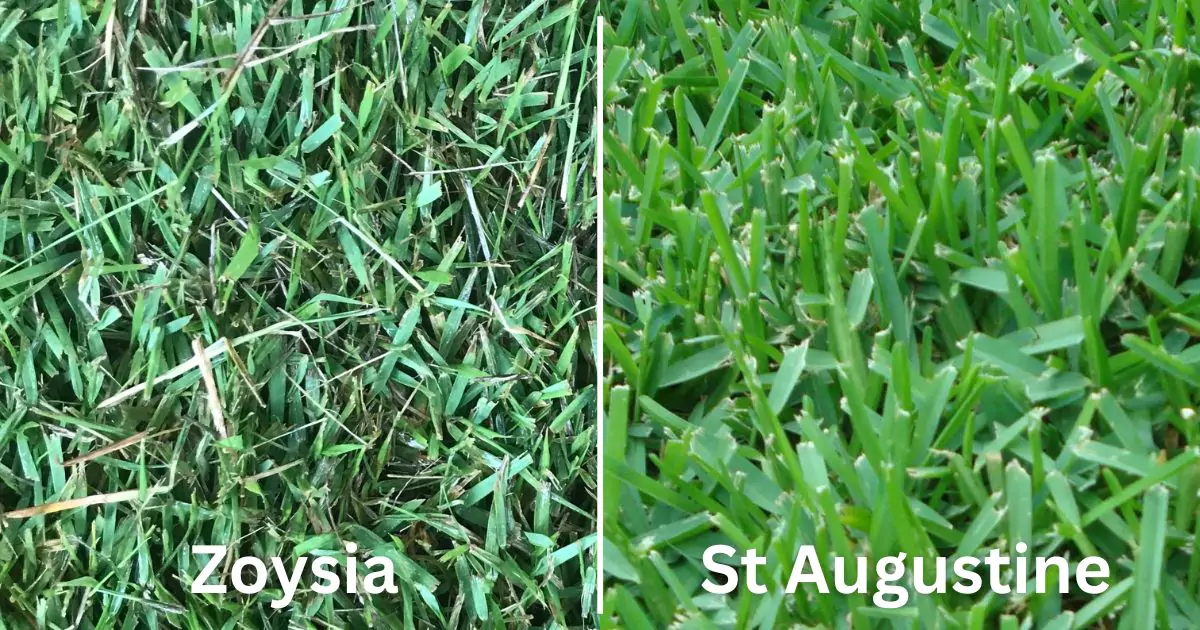
When it comes to selecting the perfect DFW sod grass for your Texas lawn, the debate often narrows down to Zoysia vs St Augustine. Both grass types have distinct characteristics that suit the unique climate, soil, and weather conditions of the Dallas–Fort Worth area.
Whether you’re in Flower Mound, Lewisville, Argyle, Southlake, or anywhere across Denton and Tarrant counties, understanding how these two warm-season grasses behave below and above the surface ensures you invest in a lawn that lasts. Below is a detailed breakdown of Zoysia vs St Augustine grass types to help you make the best choice.
The Short Answer: Zoysia vs St Augustine
Choose Zoysia If:
- You want a luxury, golf-course manicured look
- You prefer lower mowing frequency and water savings
- You have partial shade (Palisades Zoysia excels here)
- Better winter cold tolerance is important
Choose St. Augustine If:
- You love broad, deep-green, plush carpet texture
- You want fast initial establishment from sod
- You want instant, dramatic curb appeal
- You have a budget-conscious upfront installation
Zoysia Grass
Characteristics: Zoysia is typically known for its fine-to-medium texture and exceptionally dense turf. It has a soft, plush feel underfoot and presents an elegant, deep-green, manicured appearance reminiscent of premier athletic turf or luxury residential properties.
Growth Habits: This grass type spreads both by above-ground stolons and below-ground rhizomes. This dual-root growth creates an extraordinarily thick, woven mat that resists weed invasion and chokes out nuisance weeds far more effectively than single-runner grasses.
Climate Suitability: Zoysia is well-suited for the warm, sometimes unpredictable climate of the DFW metroplex. It exhibits strong drought tolerance and handles occasional North Texas hard winter freezes with minimal winter kill compared to less cold-hardy varieties.
Maintenance Requirements: Zoysia requires less frequent mowing compared to other grass types due to its slower vertical growth rate. Once fully rooted, it also needs less frequent watering than St. Augustine, making it an attractive low-maintenance, water-conscious option for busy homeowners.
Pest and Disease Resistance: Zoysia has strong natural resistance to common turf pests and fungal diseases, which is a significant advantage in the fluctuating humidity and temperature cycles of Dallas–Fort Worth.
St Augustine Grass
Characteristics: St Augustine is widely appreciated for its broad, flat blades and vibrant green color. It offers a lush, carpet-like, tropical appearance that has been a staple of established North Texas neighborhoods for decades.
Growth Habits: It spreads rapidly through surface stolons (runners) and establishes quickly once laid as fresh farm sod. This fast-rooting ability can be advantageous when you want rapid visual transformation and quick ground cover.
Climate Suitability: St Augustine thrives in warm, humid weather during North Texas springs and summers. However, it can struggle during prolonged severe summer droughts without supplemental irrigation and is more vulnerable to winter desiccation or freeze damage during extreme cold snaps.
Maintenance Requirements: This grass requires consistent, deep watering and regular seasonal fertilization to maintain its vibrant color and health. It also demands frequent mowing during the peak growing season (often every 5–7 days).
Pest and Disease Resistance: St Augustine can be prone to chinch bugs, grubs, and fungal issues like Large Patch and Take-All Root Rot—especially when overwatered or kept too damp in shaded microclimates. Attentive care and timely fungicide or pest treatments are essential.
Comparative Analysis: Zoysia vs St Augustine
How the two grasses stack up across the key factors North Texas homeowners evaluate:
| Factor | Zoysia Grass | St Augustine Grass |
|---|---|---|
| Blade Texture & Appearance | Fine to medium, dense turf with a soft, carpet-like, manicured luxury look. | Broad, flat, wide blades with a vibrant, plush, deep green finish. |
| Drought Resistance | Higher drought tolerance. Survives prolonged North Texas summer heat waves with less water once established. | Moderate drought resistance. Needs consistent irrigation during peak DFW heat or will exhibit stress quickly. |
| Shade Tolerance | Very strong filtered shade performance (especially Palisades Zoysia), retaining density under mature canopies. | Good filtered shade tolerance (Raleigh/Palmetto cultivars), though susceptible to fungal issues in humid shade. |
| Mowing & Growth Rate | Slower vertical growth rate. Requires less frequent mowing during peak summer months. | Fast-growing runners (stolons). Demands weekly or bi-weekly mowing during peak growth season. |
| Cold & Winter Tolerance | Handles cold North Texas winter freezes better with reliable spring green-up. | More vulnerable to severe winter freezes; can experience patchy winter kill in hard freezes. |
| Weed & Traffic Resistance | Extremely dense root and stolon/rhizome network forms a tight mat that chokes out weeds and resists wear. | Moderate foot traffic tolerance; spreads primarily by surface stolons without deep rhizomes. |
| Pest & Disease Resistance | Good natural resistance to most common North Texas lawn pests and fungal infections. | Prone to chinch bugs, take-all root rot, and large patch fungus if overwatered in humid weather. |
| Initial Investment vs Long-Term | Higher upfront sod pallet investment, offset by lower long-term water, mowing, and treatment costs. | More economical upfront pallet cost with higher ongoing water and maintenance requirements. |
Best Use Cases for DFW Lawns
Match your property’s specific conditions to the right turf family:
1. For Water-Efficient Lawns → Zoysia
Zoysia is the superior choice for homeowners looking to reduce municipal water usage or cope with North Texas summer watering restrictions. Its deep root system taps moisture far better than surface-rooted grasses.
2. For Shaded Areas with Mature Trees → Palisades Zoysia
Palisades Zoysia is preferable for lawns with significant tree cover. While neither grass survives in deep, pitch-black shade, Zoysia maintains density with less thinning and fewer fungal complications under filtered light.
3. For Low-Maintenance Lawns → Zoysia
Zoysia’s slow vertical growth rate and drought tolerance make it ideal for busy homeowners who don’t want to mow every 5 days or spend every weekend managing turf diseases.
4. For Plush, Fast Green Curb Appeal → St Augustine
Homeowners desiring immediate lush curb appeal (for example, staging an upscale home for sale) might prefer St Augustine for its broad, vibrant tropical green look and rapid initial establishment.
Final Verdict – Zoysia vs St Augustine
In North Texas, the choice between Zoysia vs St Augustine grass largely depends on your lawn’s specific light exposure, your maintenance preferences, and your long-term environmental goals.
Zoysia offers lower maintenance, superior drought resilience, tighter weed resistance, and a refined manicured texture—making it our premier recommendation for most North Texas properties. St Augustine provides a lush, broad-bladed green carpet that looks stunning when you're willing to invest in regular mowing, watering, and disease prevention.
Contact SodScapes Texas today for an on-site estimate and expert site assessment. Our team orders the sod direct from the farm, delivers it to your job site, and completes a turnkey installation so your new lawn thrives from day one.