
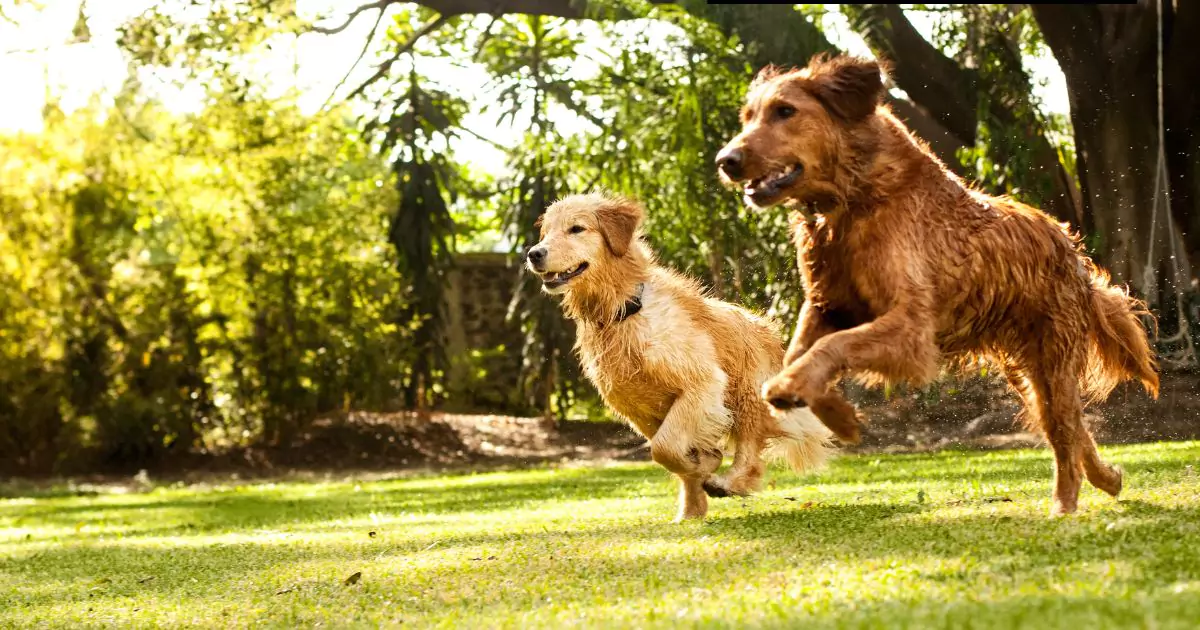
The best grass for dogs in the Dallas–Fort Worth area depends on your sunlight balance. For yards with both shade trees and active dogs, Palisades Zoysia is the clear #1 choice—delivering heavy paw-traffic durability, natural weed-choking density, and solid shade tolerance (4–5 hours). For wide-open yards with all-day full sun, Bermuda grass provides unmatched wear recovery. For deep shade backyards, St. Augustine provides the shade coverage dogs need.
We get the question a lot from customers, “What is the best grass for dogs?” Creating the perfect outdoor living space for both your furry friends and your aesthetic desires can be challenging, especially with our climate and conditions here in the Dallas–Fort Worth (DFW) area in Texas.
If you’re looking for the best type of grass that can thrive in shaded areas and withstand the playful antics of dogs, you’re navigating a complex landscape. However, with the right knowledge and guidance from us here at SodScapes Texas, a premier sod installation company based in Lewisville and Argyle, TX, you can achieve a great, green lawn that caters to the needs of your pets and your outdoor space.
Understanding the Challenge
The DFW area is known for its hot summers and variable weather, which can usually make lawn maintenance a tricky task. Adding shade and dogs into the mix introduces additional considerations.
Dogs can be tough on lawns due to digging, running repetitive fence patrol lines, and natural bathroom habits that introduce concentrated nitrogen and salts, which can damage your grass and soil. Meanwhile, shaded areas struggle to receive enough sunlight, which is a critical component for the photosynthesis process that keeps grass healthy and vibrant.
Selecting the Best Grass for Dogs: How Varieties Compare
Every grass variety brings distinct strengths and trade-offs when dogs, shade, and North Texas weather collide. Here is how the top warm-season options stack up for pet-friendly lawns:
Palisades Zoysia
Homes with dogs, mixed sun/shade, and owners wanting low maintenance with high curb appeal.
Bermuda Grass
Full-sun yards with active, high-energy dogs that run constant laps in open sunlight.
St. Augustine Grass
Heavily shaded backyards where tree canopies prevent Bermuda from surviving.
Tall Fescue
Deep shade pocket microclimates; generally struggles with North Texas 100°F heat.
1. Zoysia Grass: The Balanced Performer
Zoysia is a versatile option that offers a middle ground for those dealing with both shade and pets. Its durability against foot traffic and moderate shade tolerance make it a suitable choice for areas that receive a mix of sunlight and shade throughout the day.
Zoysia’s dense growth also helps prevent weeds, making it a low-maintenance option for busy pet owners. For this reason, Palisades Zoysia is our #1 sod grass for our residential customers. It cushions running paws, stays green through 100°+ summer heat, and handles 4 to 5 hours of filtered tree shade with ease.
2. St. Augustine Grass: Ideal for Tree-Covered Yards
This type of grass is renowned for its shade tolerance, making it an excellent choice for shaded lawns in the DFW area. St Augustine grass can withstand the playful nature of dogs, although it may require more maintenance and care to ensure it remains healthy under the stress of pet activities.
Because St. Augustine spreads via above-ground stolons (runners), frequent aggressive skidding from large dogs can tear stolons loose. Keeping the grass cut taller (3 to 3.5 inches) during the summer protects the stolon network and preserves shaded density.
3. Bermuda Grass & Tall Fescue
When you take into account all expert insights and consider the specific needs of the DFW region, Bermuda grass pops up as the popular choice for its durability and unmatched ability to withstand heavy foot (and paw) traffic. However, Bermuda grass falls short with shade tolerance—thinning out rapidly in less than 7 hours of direct sunlight.
Tall Fescue varieties offer a solution for shaded areas with cooler microclimates within the DFW region. Fescue is resilient to dog urine and physical wear, although it is not as heat-tolerant as Bermuda or Zoysia. For this reason, Fescue is not a popular grass type across Dallas–Fort Worth, as intense summer heat routinely causes it to decline.
Maintenance Tips for a Dog-Friendly, Shade-Tolerant Lawn
Even the toughest turf needs a supportive routine when energetic dogs share the yard. Follow these proven North Texas practices to keep turf thick and healthy year-round:
Early-Morning Deep Watering
Ensure your lawn receives adequate water, especially during hot Texas summers. Early morning watering (4:00 AM – 8:00 AM) allows moisture to penetrate 6–8 inches while naturally diluting pet urine salts before midday sun bakes them into brown patches.
Pet-Safe Fertilization
Choose pet-friendly fertilizers and apply according to your specific grass type's needs. Avoid heavy chemical applications right before dogs play outside, and water in nutrients thoroughly so turf stays vigorous enough to outgrow pet wear.
Regular Core Aeration
Dogs running repeat paths compact North Texas clay soil quickly. Annual aeration loosens compacted soil, improves drainage, and allows oxygen and water to reach grassroots—key for high-traffic and shaded areas alike.
Raise Mowing Height Slightly
Keep your lawn at the taller end of its recommended height (e.g. 2.5″ for Palisades Zoysia, 3–3.5″ for St. Augustine). A taller leaf canopy cushions paws, shades soil, and builds deeper root systems that withstand digging and running.
Why Choose SodScapes Texas?
At SodScapes Texas, we understand the unique challenges of maintaining a beautiful, pet-friendly lawn in the DFW area. Our team of experts is dedicated to providing high-quality sod installation services tailored to your specific yard conditions.
Whether you’re dealing with shaded areas, high pet traffic, or both, we’re here to help you select the best sod options and provide professional advice on maintaining a healthy, vibrant lawn all year round.
Transforming your outdoor space into a pet-friendly environment that thrives in the Texas climate is achievable with the right approach. Let SodScapes Texas guide you through selecting the perfect grass type for your lawn!
Best Grass for Dogs FAQs
What is the overall best grass for dogs in North Texas?↓
For North Texas homeowners with dogs, Palisades Zoysia is the top recommendation. It combines excellent paw-traffic durability, dense growth that chokes out weeds, soft barefoot feel, and the rare ability to tolerate both intense Texas summer heat and 4–5 hours of tree shade.
Can Bermuda grass handle dogs and pet traffic?↓
Yes. Bermuda grass has exceptional foot-and-paw durability and recovers faster than any other warm-season grass when damaged. However, Bermuda requires 7 to 8+ hours of direct full sun. If your yard has mature shade trees or fences creating shade lines, Bermuda will thin out and turn muddy.
Is St. Augustine grass good for dogs in shaded yards?↓
St. Augustine is the best option for heavily shaded DFW yards (needing just 3 to 4 hours of sun). It can handle dogs reasonably well, though broad-bladed stolons can be torn up by large, high-energy dogs running repetitive fence lines. Raising mowing height to 3–3.5 inches helps protect the stolons.
How do I prevent dog urine burn spots on my Texas lawn?↓
Dog urine contains concentrated nitrogen and salts. Prevent burn spots by: (1) Deeply watering the lawn on schedule so soil moisture naturally dilutes deposits, (2) Immediately rinsing favorite potty areas with a quick hose spray, (3) Maintaining strong soil biology through annual aeration, and (4) Choosing dense-rooted turf like Zoysia or Bermuda that recovers quickly.
Why is Fescue grass generally not recommended for DFW dog owners?↓
While Tall Fescue has good shade tolerance and natural resistance to dog urine, it is a cool-season grass. In North Texas, extreme summer heat (regularly exceeding 100°F) causes Fescue to wilt, thin, and die out unless heavily coddled with constant water and shade. Warm-season grasses like Zoysia and Bermuda are far better long-term investments.
How does aerating help lawns with active dogs?↓
Dogs running and playing compact the top 2 to 4 inches of North Texas clay soil. Core aeration pulls plugs of dirt, relieving compaction, allowing water, oxygen, and nutrients to reach deep roots, and preventing hardpan soil that turns into standing mud puddles after rain.
More Helpful Turf & Lawn Guides
Looking for more guidance tailored to Dallas–Fort Worth homeowners? Explore our other comprehensive resources: