
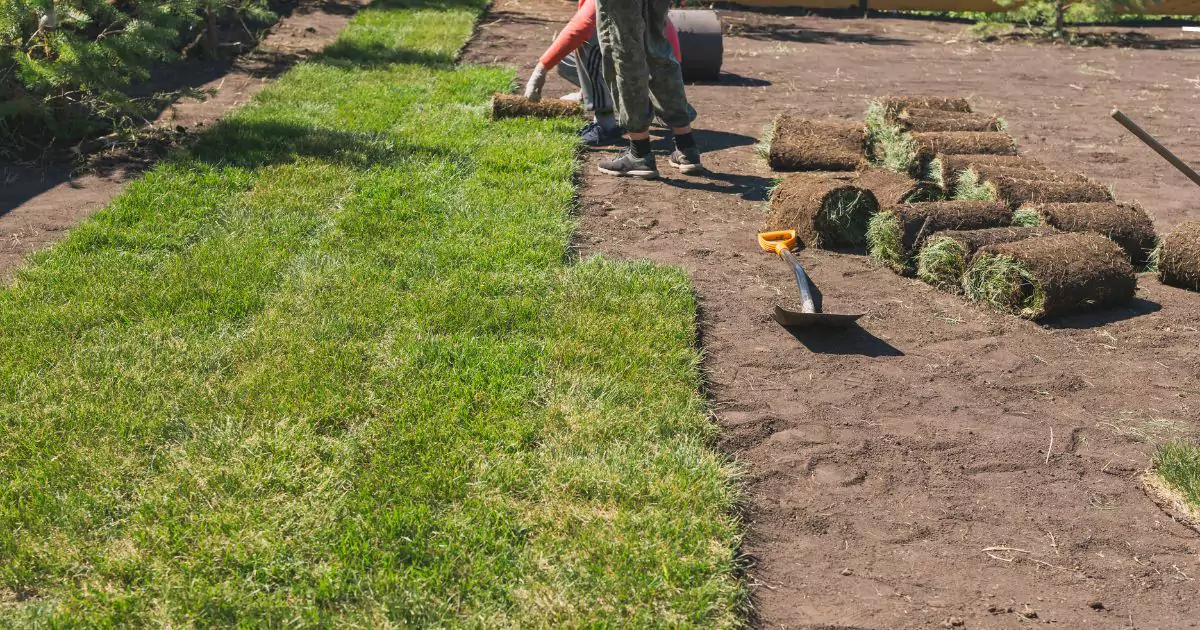
Planting grass in the fall is widely considered the smartest window for North Texas homeowners: cooler air reduces heat stress on blades while warm soil stimulates rapid root development before winter. Unlike spring seed which takes months and fights aggressive weeds, laying farm-fresh sod delivers an instant, dense lawn that bursts into lush green the following spring.
Guide Table of Contents
When it comes to planting grass in the fall, there’s no better way to ensure a beautiful lawn than by laying sod. Whether you’re thinking about planting new grass in the fall or just want to know the ins and outs of planting sod in late fall, we will walk you through everything you need to know.
Let’s talk about why fall is the perfect season to get that green, thick lawn you’ve always wanted, how to choose the right turf variety, and the exact steps to prepare and care for your yard.
Why Fall is the Best Time for Planting Grass in Texas
First off, let’s clear something up: Can you plant sod in late fall? Absolutely! Fall—especially early to mid-fall—provides the single best window for sod to take root in Dallas–Fort Worth. The weather is cooler, yet the soil retains summer heat, creating an ideal environment for rapid subterranean root anchoring without the scorching evaporative stress of July and August.
Cool Air & Warm Soil
Autumn air cools down significantly in North Texas, reducing leaf transpiration stress, while soil temperatures remain warm enough to stimulate rapid root division.
Deep Root Establishment
Sod focuses its energy entirely on subterranean root growth rather than excessive top-leaf expansion, setting up an impenetrable root web ahead of spring.
Lower Irrigation Demand
Cooler weather and seasonal autumn rains mean you won’t battle rapid surface evaporation, drastically cutting the water volume needed compared to summer installs.
Natural Weed Suppression
Most aggressive summer weeds like crabgrass and sandburs stop germinating in fall, allowing mature sod rolls to knit tight seams without competition.
Choosing the Right Sod for Fall Planting
Not all sod is created equal, especially when it comes to planting grass in the fall. The variety you select dictates how your lawn performs through winter dormancy and bursts into green in spring.
Zoysia Grass
Tough, heat-enduring, and remarkably soft underfoot. Palisades Zoysia establishes deep root anchors during fall, ensuring your lawn returns next spring thicker and more drought-resilient than ever.
St. Augustine
Ideal for North Texas properties with mature oak or pecan shade trees. Fall installation gives St. Augustine’s broad stolons time to knit tightly before tree leaves fall.
Bermuda Grass
Planting Bermuda sod in the fall gives aggressive runners time to knit underground. When 100°F heat returns next June, your Bermuda lawn is already fully fortified.
Preparing Your Yard & The Fall Installation Process
Preparation is key when planting grass in the fall. A little bit of work upfront saves headaches down the road. Here is exactly how SodScapes Texas prepares and installs your lawn:
Soil Conditioning & pH Balance
Most Texas turfgrasses prefer a slightly acidic to neutral pH (6.0–7.0). We amend compacted black clay with high-quality topsoil or nutrient-rich organic compost to provide the essential organic structure new root systems need.
Clearing Old Grass, Weeds & Debris
Before laying sod in fall, we completely strip old turf, persistent weed patches, rocks, and root debris using heavy-duty sod cutters, giving your new sod a pristine, clean slate to bond with.
Laser Grading & Surface Leveling
Proper grading ensures positive water runoff away from home foundations, eliminates low depressions where standing water causes root rot, and creates a billiard-table smooth finish for effortless mowing.
Tight Staggered Seam Installation
Sod rolls are laid in a brickwork pattern with tightly butted edges, avoiding overlap and eliminating gaps where invasive winter weeds could otherwise emerge.
How to Care for New Sod in Fall
Once your sod is in the ground, proper aftercare makes all the difference in how well your lawn performs through winter freezes and spring green-up.
Root Awakening & Moisture Consistency
Water lightly 1–2 times daily to ensure the soil underneath stays consistently moist. Do not allow edges to shrink or turn brown.
Root Anchoring & Tapering
Perform the gentle 'tug test.' Once sod resists lifting, reduce irrigation to 2–3 deeper sessions per week to coax roots deeper into the clay.
First Mowing & Winterization
Mow with sharp blades on the highest recommended setting. Keep fallen autumn leaves raked off the new grass so sunlight reaches every blade.
Pro Tip on Fall Mowing & Leaves
Hold off on mowing until your sod has rooted firmly (typically around 3–4 weeks). Always keep your mower set high to protect young crowns. Keep fallen oak and pecan leaves blown or raked off the new grass so sunlight reaches every blade before winter dormancy sets in.
Benefits of Planting Grass in the Fall
Instant Lawn Transformation
One of the biggest perks of planting sod in fall is the instant transformation. Unlike seeding, which takes months to establish and leaves muddy patches, sod gives you a full, emerald carpet in just a day.
Reduced Weed Invasions
Because mature sod comes with an established root system and dense top canopy, it leaves no room for opportunistic winter weeds like henbit or chickweed to take hold, saving countless hours of weeding.
Contact SodScapes Texas for Your Fall Project
Planting grass in the fall with sod is one of the best decisions you can make for your lawn. Whether you’re dealing with bare patches, summer drought burnout, or starting completely from scratch on a new build, fall provides the perfect conditions for laying sod and getting a beautiful lawn without the wait.
At SodScapes Texas, we’re here to help every step of the way—from picking the right sod variety to precision laser-grading and guaranteeing root establishment.
FAQs About Planting Grass in the Fall
Can you plant sod in late fall?↓
Yes, you can. Fall, especially early to mid-fall, provides ideal conditions for sod to take root because air temperatures cool down while soil remains warm from summer. When planting sod in late fall in North Texas, ensure the turf has adequate time to establish root contact before the first hard ground-freeze, and follow proper watering practices.
What’s the best type of sod for fall planting in Texas?↓
In Texas, Zoysia is a top choice for planting sod in the fall because it is tough, highly drought-tolerant, and thrives in summer heat once rooted. St. Augustine (for tree-shaded lawns) and Bermuda grass (for full sun and high activity) also perform exceptionally well when planted in fall.
How often should I water new sod in the fall?↓
Water lightly every day for the first couple of weeks to keep the soil beneath the sod consistently moist without becoming soggy. After the sod begins anchoring its roots into the subsoil, gradually reduce watering frequency to a couple of times per week.
How soon can I mow my new fall sod?↓
Hold off on mowing until the sod has firmly rooted—usually about 3 to 4 weeks after installation. When you perform the first mow, set your mower deck to a high setting to prevent scalping and avoid stressing the young grass blades.
More DFW Lawn & Sod Guides
Discover more helpful advice on watering schedules, turfgrass comparisons, and seasonal maintenance: